
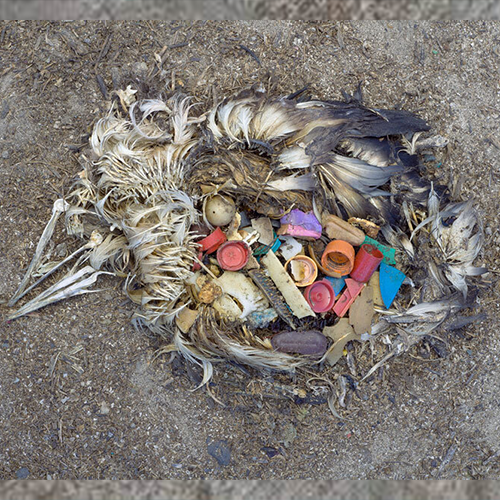
Microplastics
Microplastic pollution has been detected in human blood for the first time, with scientists finding the tiny particles in almost 80% of the people tested.Plastic is not the root of the problem, but rather the single-use lifestyle we've become accustomed to. One thing is clear: the problem will only grow. Almost 400 million tonnes of plastics are produced each year, a mass projected to more than double by 2050.
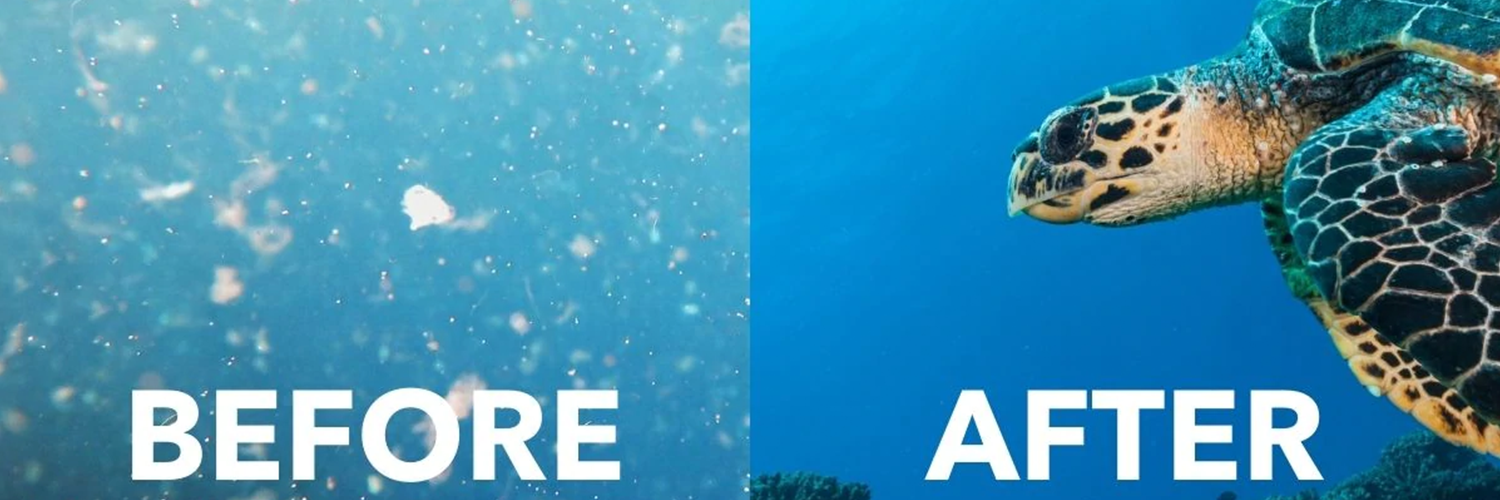
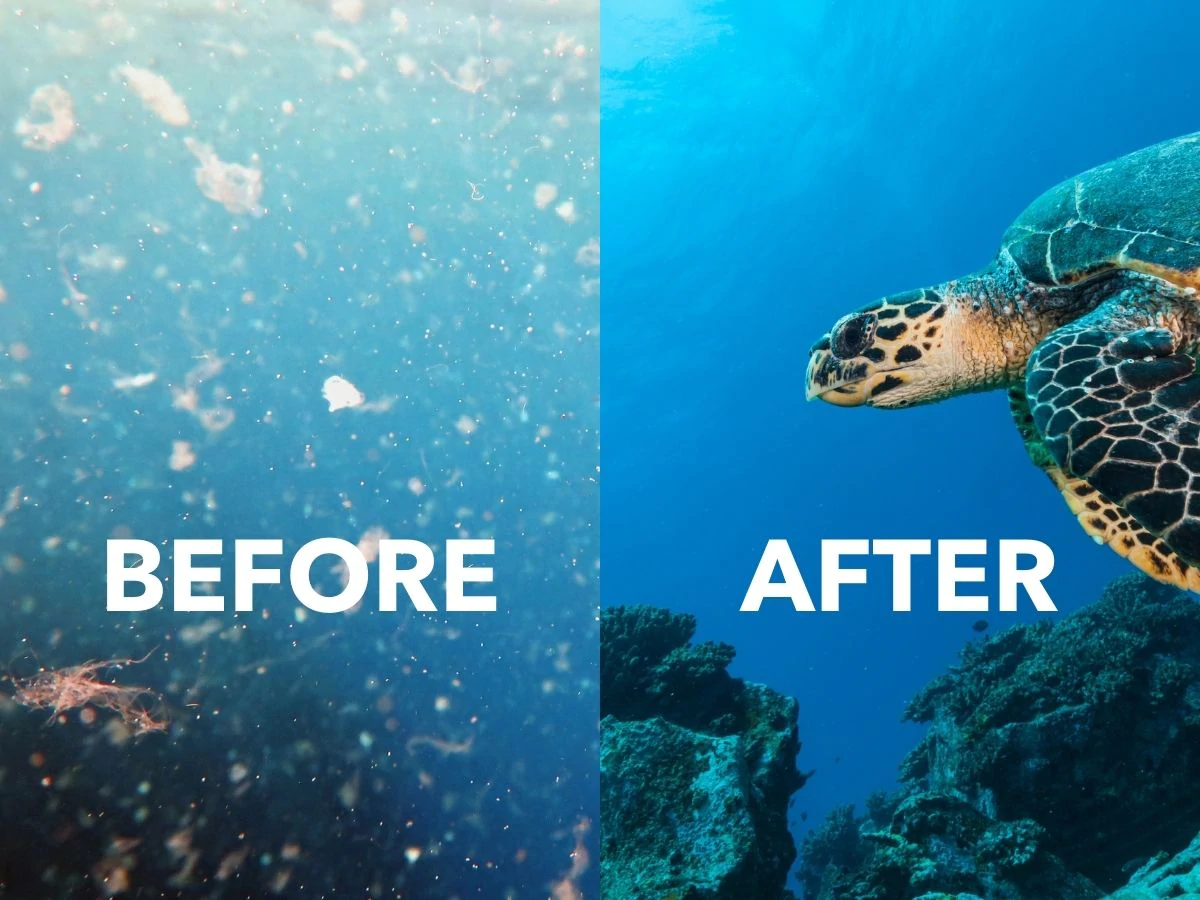
About This Project
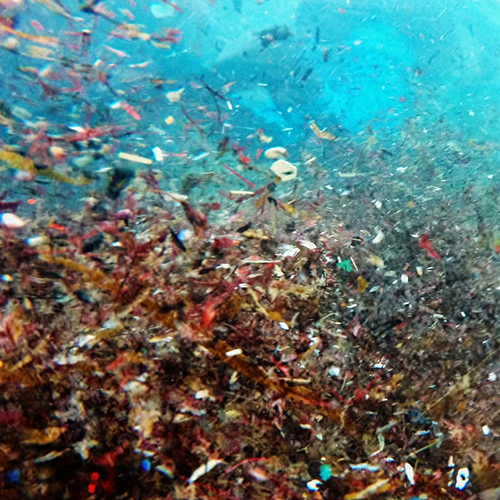
The big problem of microplastics Since mass production of plastic began 60 years ago, humankind has produced over eight billion metric tons of plastic. Just 9% has been recycled, another 12% incinerated. The rest, almost 80% of the plastic ever created, amasses in landfill sites or ends up in the natural environment, eventually finding its way into rivers, streams and oceans. Plastic is accumulating in our oceans at an alarming rate – the largest concentration of ocean plastic waste, the Great Pacific Garbage Patch located between California and Hawaii, is estimated to measure three times the size of France, while heart-breaking images of animals entangled in plastic are shockingly common. Plastic pollution has become a very visible issue – but one of the most intractable forms of ocean pollution is harder to see: microplastics. Plastic does not biodegrade, but breaks down into ever smaller pieces, resulting in microplastics. Smaller than 5mm in dimension, much of the hundreds of millions of tons of plastic waste in our oceans is made up of microplastics. How these tiny particles affect our environment is still a relatively unexplored area of research, but one Nottingham researcher is diving in to discover how we can begin to tackle the big problem of microplastics.
Total Staked
0 ASTR
APY
0%
Stake on Astar
0 ASTR
Project Gallery
Stake in Metaverse

Tip The Project


2022 MetaverStake